
Our Ocean Conference 11 Overview
Last week from the 16-18th of June, representatives from governments, international organizations, research institutions, and regional programmes gathered in Mombasa, Kenya, for the first Our Ocean Conference held in Africa – this conference is a series of high-level events focused on advancing ocean observation, forecasting, governance, and capacity development across Africa and beyond.
This year’s theme - Our Ocean, Our Heritage, Our Future – focused on celebrating the inseparable connection between humankind and our shared ocean. The week provided an important opportunity to strengthen partnerships, align regional priorities with global initiatives, and showcase how ocean knowledge can support sustainable development, climate resilience, maritime security, and the sustainable blue economy.
Before the official conference began, the Intergovernmental Oceanographic Commission Africa Regional Workshop and the 9th Session of the Intergovernmental Oceanographic Commission's Sub-Commission for Africa and Adjacent Island States (IOCAFRICA) took place from 14–15 June in Mombasa. The meeting brought together representatives from IOC-UNESCO, Member States, regional institutions, and development partners to review regional priorities, strengthen programme coherence, and advance Africa's contribution to global ocean governance.
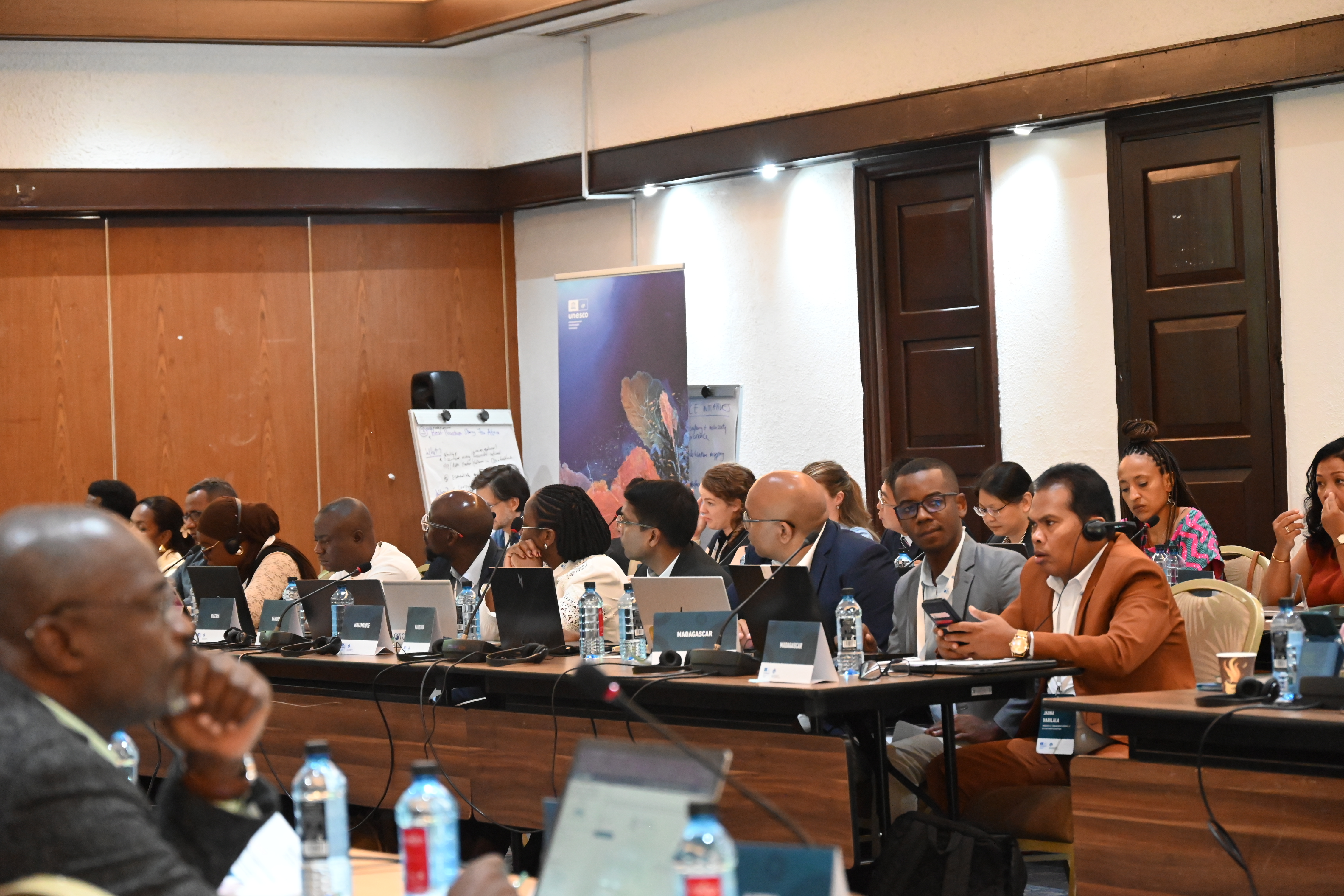
The discussions highlighted the growing importance of ocean science, forecasting, and monitoring capacities in supporting evidence-based decision-making and sustainable ocean management across the continent.
Mercator Ocean International, through its longstanding collaboration with IOC-UNESCO, its recently signed cooperation agreement, and its coordination of both the OceanPrediction Decade Collaborative Centre (OP DCC) and the OPERA project, reaffirmed its commitment to supporting IOC Africa and Member States. This support includes strengthening ocean forecasting and monitoring capacities, advancing digital ocean services, promoting knowledge exchange and innovation, and increasing the use of ocean science to address climate, environmental, and socioeconomic challenges.
Another major highlight of the week was the OceanEye side event, which brought together international leaders and partners committed to securing the future of the global ocean observing system. OceanEye is an EU ocean observation initiative, with components dedicated to observations and digital systems (that includes the EU Digital Twin of the Ocean, and EU data assets like the Copernicus Marine Service, and the European Marine Observation and Data Network (EMODNET).
Opening remarks from senior representatives, including Directorate-General for Maritime Affairs and Fisheries Charlina Vitcheva, European Commissioner Costas Kadis, and IOC-UNESCO Executive Secretary Vidar Helgesen, underscored the urgent need for coordinated international action to sustain and strengthen ocean observing infrastructure at a time when many observing systems face increasing financial pressures and risks of disinvestment.
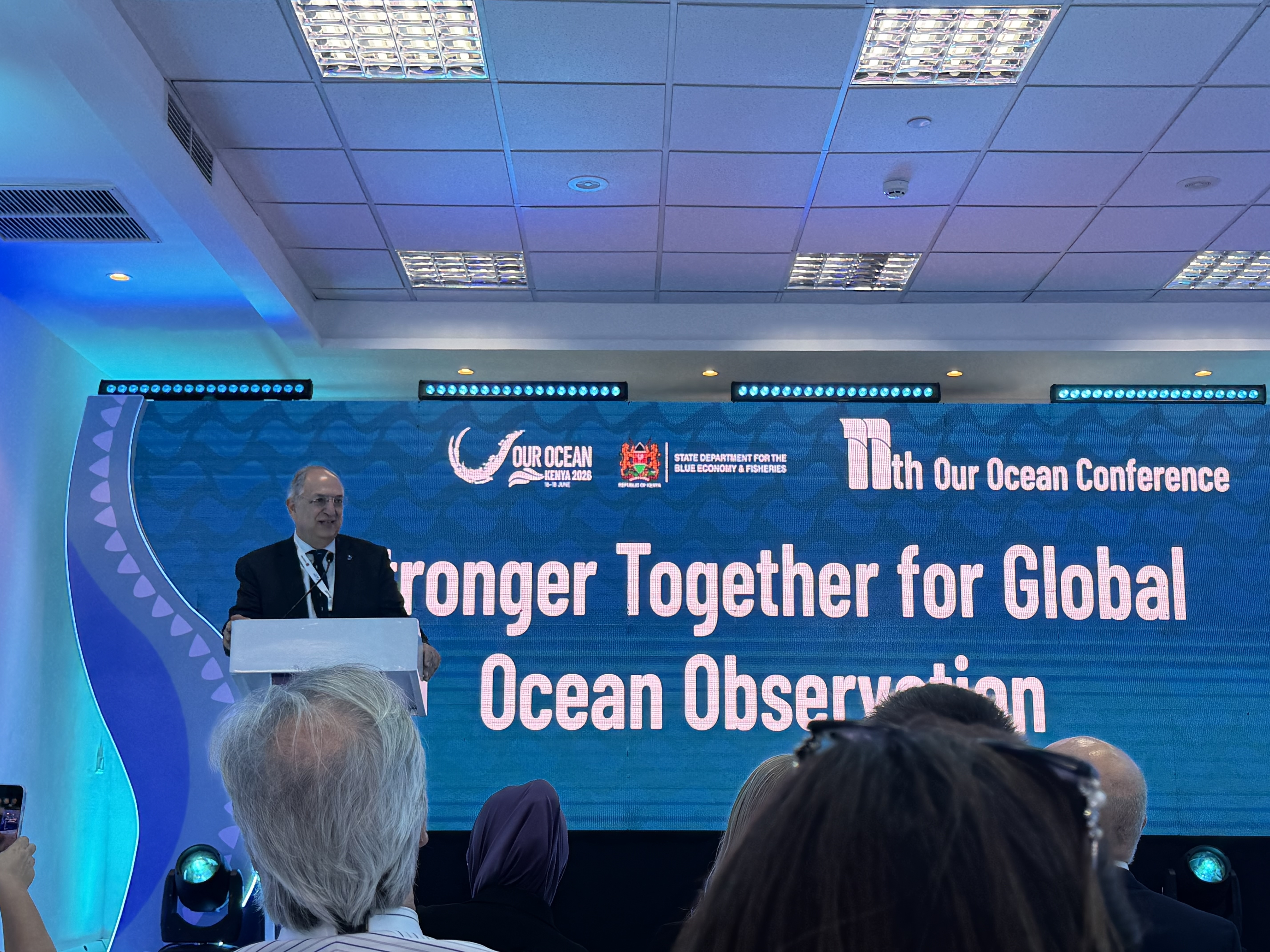
A recurring message throughout the event was that multilateral cooperation remains essential for maintaining and expanding the global ocean observing system. Many speakers highlighted that generating data alone is not sufficient. Equal attention must be given to ensuring data accessibility, equitable use, and the capacity to transform observations into actionable information.
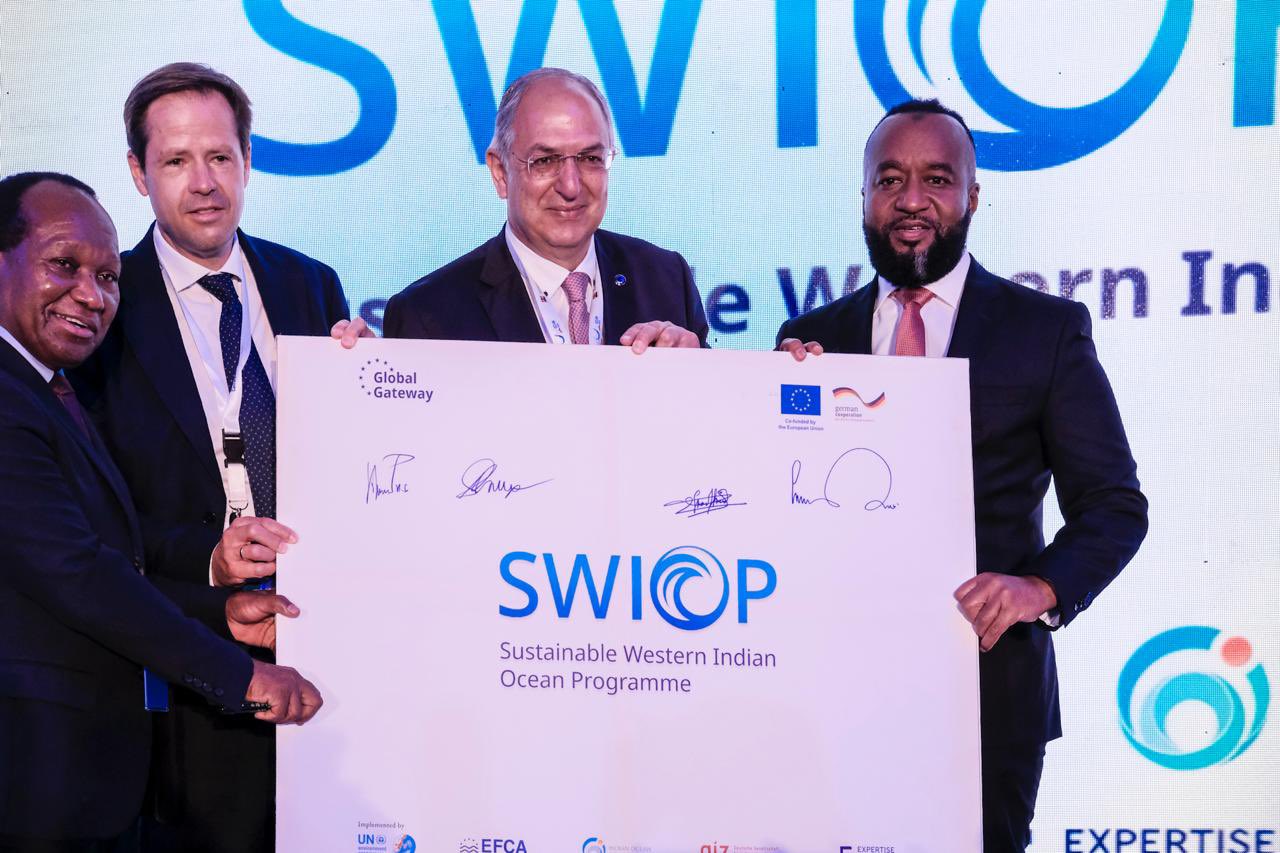
The week also marked the strategic launch of the Sustainable Western Indian Ocean Programme (SWIOP), representing a significant milestone in the European Union's efforts to strengthen ocean governance, support sustainable blue economy development, and enhance coastal resilience across sub-Saharan Africa.
SWIOP joins a growing portfolio of regional ocean initiatives, including the West African Sustainable Ocean Programme (WASOP), the Sustainable Ocean and Blue Economy Programme in Central Africa (ODEBAC), and the Blue Benguela Current Action (BBCA) Programme. Together, these initiatives extend support across Africa's diverse marine and coastal regions while promoting regional cooperation and sustainable ocean management.
As a cross-cutting initiative operating across Africa, OPERA complements these programmes by strengthening capacities to generate, access, and use ocean data and knowledge. Through the African Regional Centres of Excellence framework and the activities of the OceanPrediction Decade Collaborative Centre, OPERA helps transform ocean observations into actionable information services that support coordinated action, evidence-based policymaking, and a resilient ocean future.
Capacity development remained a central theme throughout the week, highlighted by a dedicated masterclass hosted by OPERA in partnership with Sote Hub and the Early Career Ocean Professionals engaging students, early-career ocean professionals, and emerging leaders from across the region.
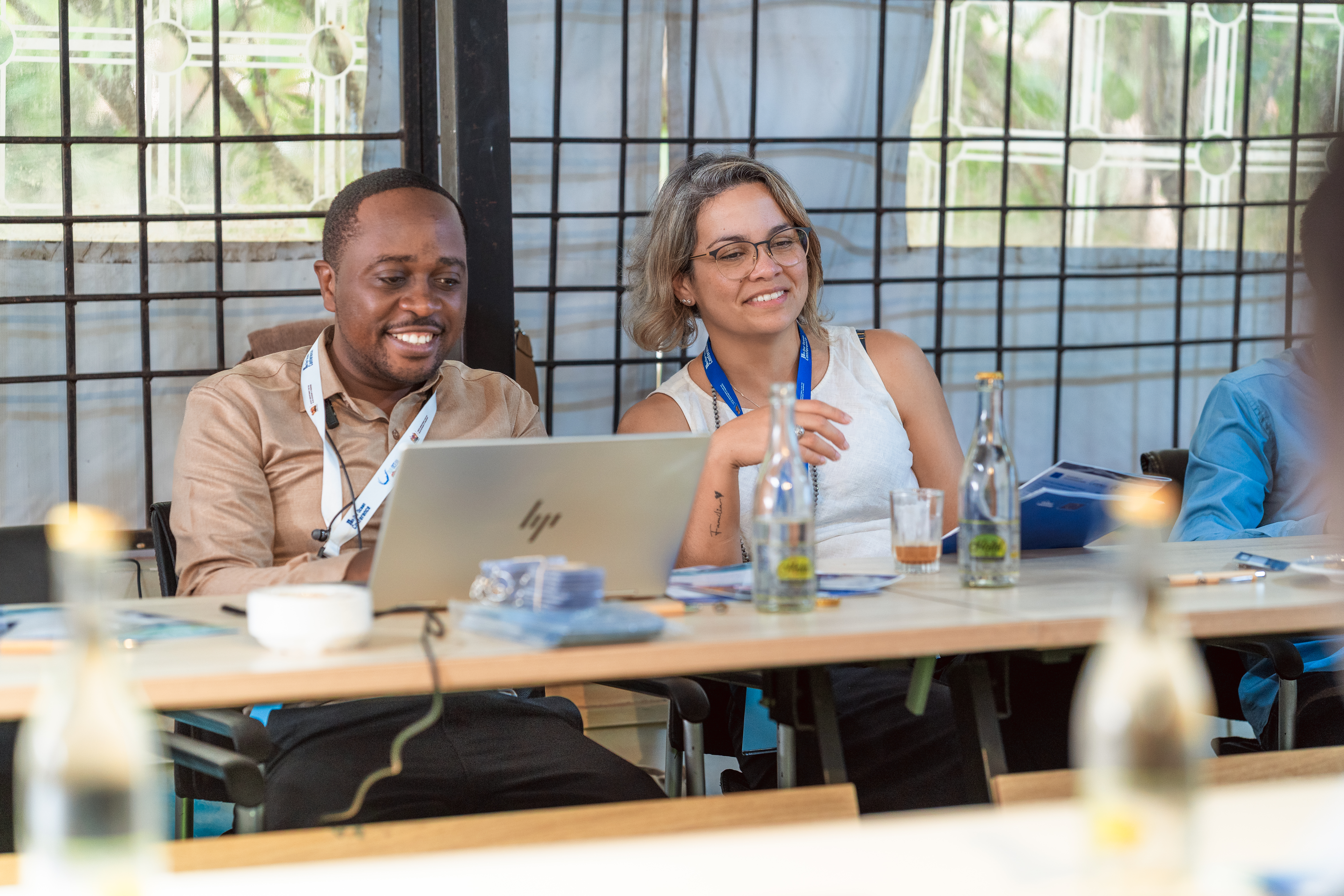
The session opened with a keynote address from former ECOP Africa Coordinator Gabriel Juma, who framed the discussion around the opportunities and challenges facing the next generation of ocean professionals. Yandeh Sallah-Muhammed (Mercator Ocean International) then presented an overview of Mercator Ocean, the OceanPrediction Decade Collaborative Centre, and the OPERA project, outlining the initiative's mission, technical framework, implementation roadmap. Participants were then introduced to key aspects of ocean monitoring and forecasting through presentations from Jethan d'Hotman (NRF-SAEON), Nicole du Plessis (NRF-SAEON), and Josphat Mokoya, Coordinator of the ECOP Kenya Node. The presentations covered ocean observations, satellite and in situ monitoring systems, ocean modelling and forecasting, ocean governance, the blue economy, and career pathways for early-career ocean professionals.
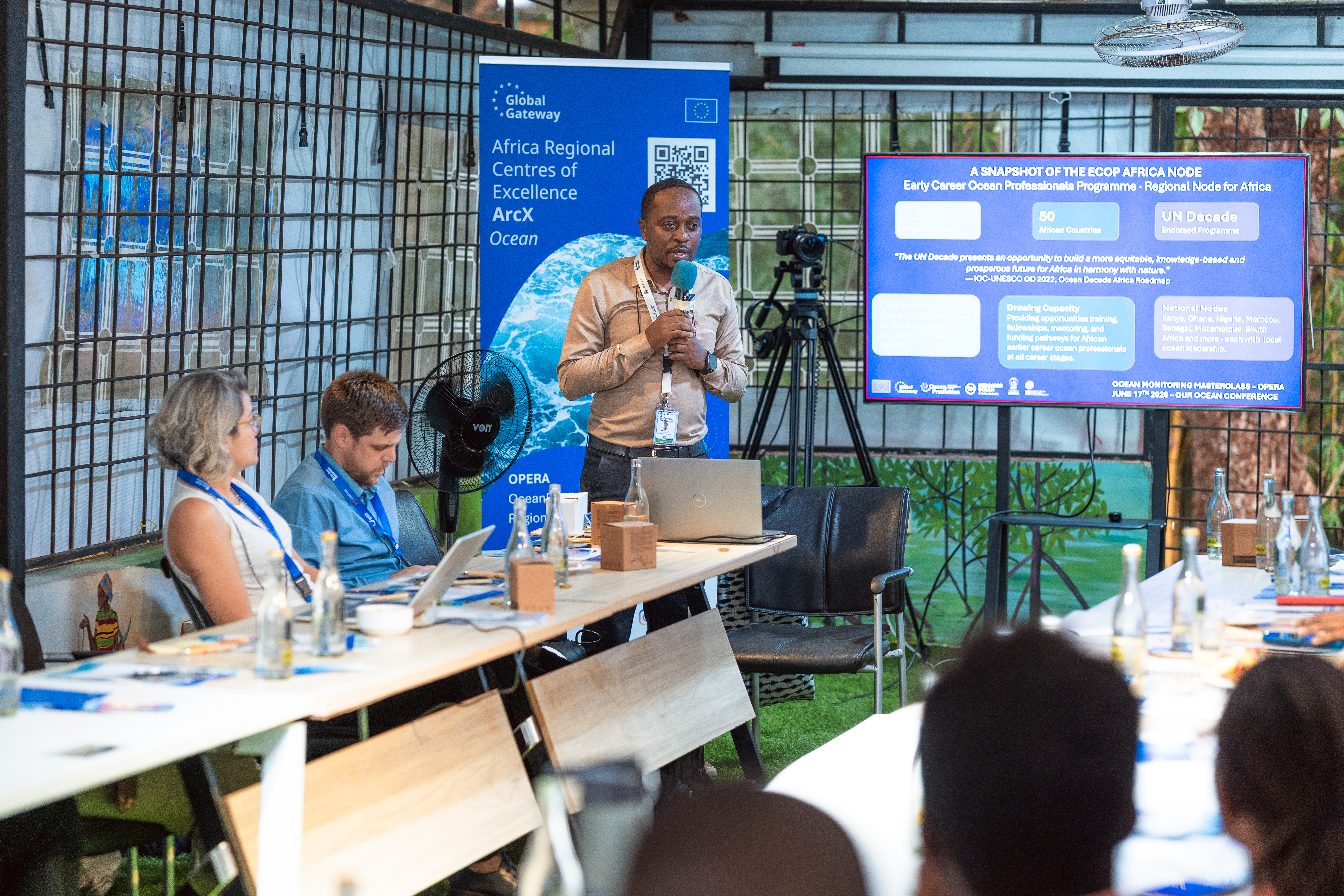
The session concluded with an invitation for participants to continue their learning journey through the upcoming OPERA Massive Open Online Course (MOOC) on fundamentals of Ocean Forecasting, currently being developed by University of Abomey-Calavi – UNESCO Chair of Mathematical Physics and Applications as part of OPERA's Capacity Development Activities.

Through the attendance and various engagement events at Our Ocean, it is clear that sustained investment in ocean observing systems is essential to support forecasting, climate resilience, maritime security, ecosystem protection, and sustainable blue economy development. Ocean data must not only be collected but also made accessible, usable, and equitable for all countries and stakeholders with seats at the table to achieve a sustainable and resilient ocean future.
To conclude the impactful week in Kenya with over 5000 participants in attendance, 320 commitments valued at US$6.4 billion were announced across 104 countries and organizations. These voluntary commitments show how policy is translated into trackable investments to support global ocean action and protection. We look forward to seeing you next year for the 12th edition of Our Ocean Conference in Halifax, Canada.
To read more on the official release from World Resources Institute, click the link here: RELEASE: Global Leaders Announce $6.4 Billion for Ocean Action at First African Our Ocean Conference | World Resources Institute
For more information on OceanEye:
- Official EU information : OceanEye: EU ocean observation initiative
- Mercator Ocean organised event on OceanEye
Follow us